The Revolution Within: Islamic Media and the Struggle for a New Egypt
Yasmin Moll
Ingraham 206
What did Islamic television have to do with Egypt’s 2011 revolution? Drawing on long-term fieldwork at the Cairo branch of the world’s first Islamic television channel, this talk shows how theological debates over what makes media “Islamic” became entangled with broader struggles over the shape of a “New Egypt,” reshaping religious life and revolutionary imagination for millions of ordinary people. This ethnographic exploration of the social life of theology makes sense of the 2011 Arab Spring movements for democracy and their authoritarian aftermath beyond the familiar stories of Islamism versus secularism. More broadly, refocusing the anthropological study of Islam from its preoccupation with analytically making sense of Muslim difference to how Muslims themselves theologically make sense of their differences invites more careful attention to questions of how and why and for whom a practice becomes virtuous, a public ethical, a way of life Godly.
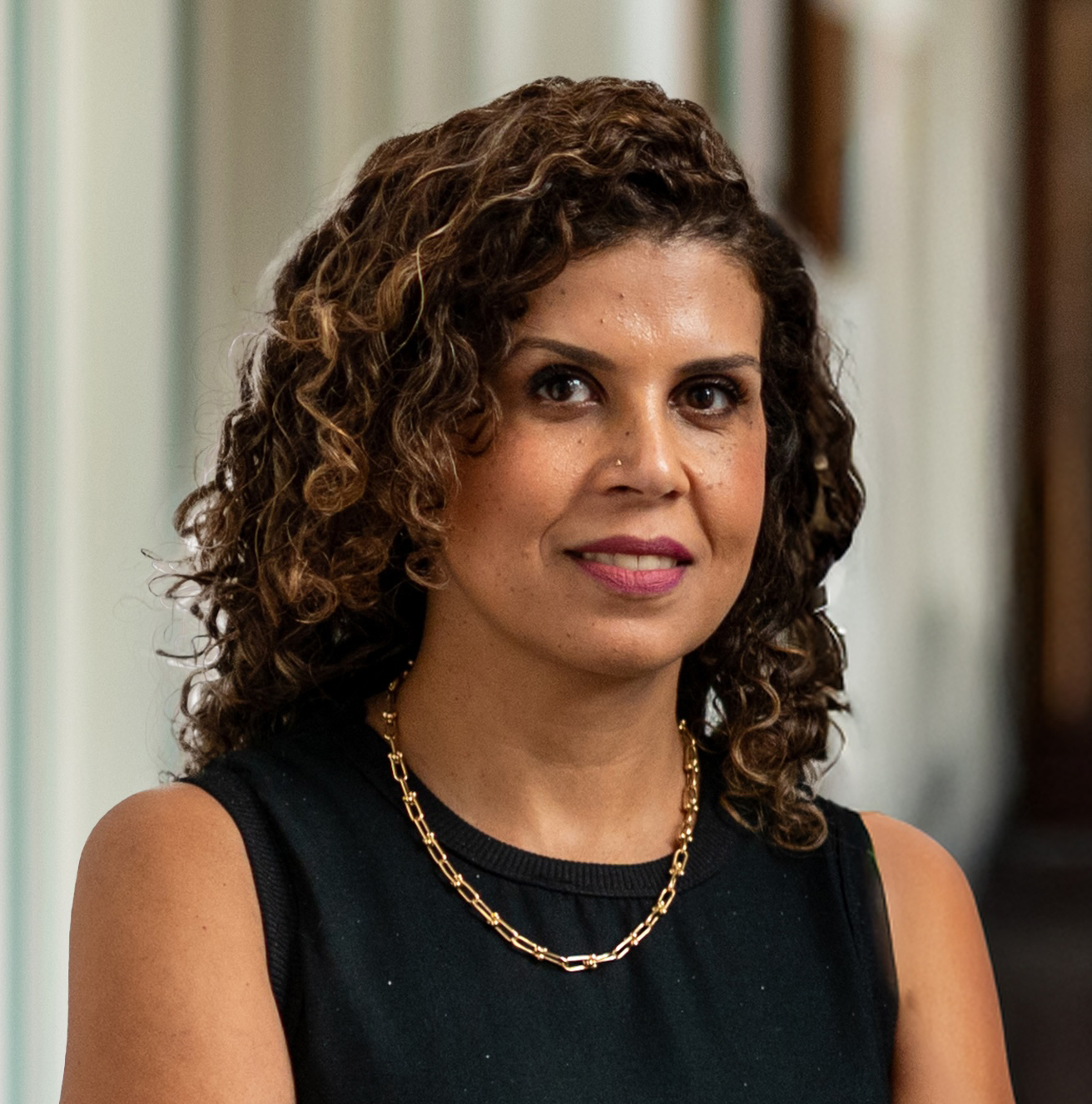
Yasmin Moll is an associate professor of anthropology at University of Michigan. A cultural anthropologist of the Middle East and North Africa and an ethnographic filmmaker, her research focuses on the social life of theology in relation to media, ethics and politics as well as race and heritage activism. This focus reflects a conceptual attunement to theologies of difference and emancipatory politics that at once unsettle and reaffirm secular-religious distinctions in nonliberal traditions and within authoritarian contexts. Her first book, The Revolution Within: Islamic Media and the Struggle for a New Egypt, was published in 2025 by Stanford University Press and her first feature-length documentary Searching for Nubia is currently screening at film festivals around the world.