Past Event Category: MES Lecture Series
-
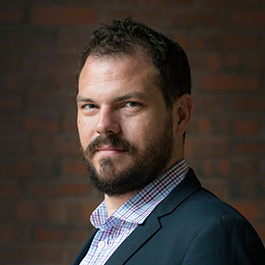 Apr 19Mosques and Islamist Activism: Spatial Evidence from Interwar Cairo
A supplementary analysis shows that the Muslim Brotherhood was more likely to establish health services in areas that had previously seen mosque activities. These findings deepen our understanding of the conditions under which certain mosques become sites for Islamist mobilization, and demonstrate how historical spatial data can be utilized to study political activism.
-
 Mar 29The Adverse Effects of the Pandemic on MENA Research
Shalaby argues that while the pandemic has interrupted most scholars’ research plans, researchers who study the Middle East and North Africa (MENA) region are more likely to encounter higher barriers
-
 Mar 8Joint Struggle: A Decolonial, Abolitionist approach to Middle East Studies
Professor Naber will analyze the limits and possibilities of coalitional BIPOC movements in the U.S. that have strived to end anti-Blackness and U.S. imperialism simultaneously. Professor Naber will develop her analysis through the lens of decolonial feminisms while focusing on the significance of coalitional politics, or “joint struggle,” to the field of Middle East Studies.
-
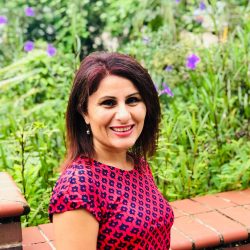 Feb 22A Gordian Knot in the Ottoman East: Kurdish Nobility, the Ottoman State, and the Question of Fiscal Autonomy in the Long Nineteenth Century
This talk discusses the making and the eventual dissolution of the Kurdish nobility in the Ottoman realm with a specific focus on land ownership and its transformation during the Ottoman reform era of Tanzimat in the nineteenth century occupation.
-
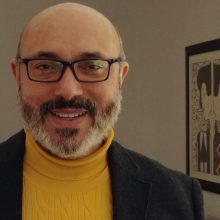 Feb 1Mystical Patriotism: Palestine and the Politics of National Dress
The production of the “virtual” nation of Palestine in film is associated with fabric artifacts, such as rugs and dresses, since the inception of Palestinian fiction cinema, or at least since the first international recognition of that cinema, thanks to Michel Khleifi’s Wedding in Galilee. These serve as metonymies of Palestinian-ness, reminiscent of paradise lost and reminders of a Palestinian cultural identity struggling against oblivion and imperialist cultural erasure.
-
 Nov 30Biblicist Bias in Qur’anic Studies from the Middle Ages to the Present
This presentation proposes models from within the Christian and Muslim traditions that can pave the way towards a break from Biblicist tropes towards an interfaith understanding based on the rich exegetical traditions of both faiths.
-
 Oct 12Embodying Geopolitics
Based on over a hundred extensive personal narratives from women of different generations in Egypt, Jordan, and Lebanon, Embodying Geopolitics traces women’s activism from national independence through to the Arab uprisings, arguing that activist women are critical geopolitical actors.
-
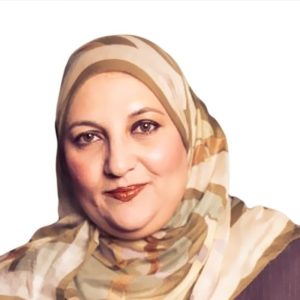 Sep 14Arab Women’s Shifting Identities, Ongoing Activism(s) and Parallel Struggles
Online via Zoom
Dr. Sahar Khamis of the University of Maryland discusses her co-edited book "Arab Women’s Activism and Socio-Political Transformation: Unfinished Gendered Revolutions" with Professor Marwa Shalaby.
-
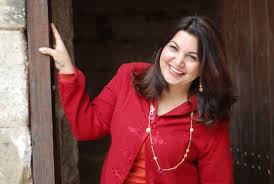 Mar 9Desert Melodies: Bedouin Women’s Oral Ghazal Poetry
Ingraham 206
Miral Mahgoub al-Tahawy is an associate professor of Modern Arabic literature, an award-winning Egyptian novelist and short story writer, and an affiliated member of the Virginia G. Piper Center for Creative Writing at Arizona State University.
-
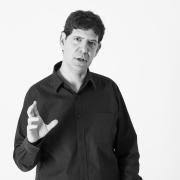 Feb 10Powering Empire: “How Coal Made the Middle East and Sparked Global Carbonization
Ingraham 206
Focusing on the flow of British carbon energy to the Middle East, On Barak excavates the historic nexus between coal and empire to reveal the political and military motives behind what is conventionally seen as a technological innovation.