Jāl Mythmaking: Embodied Indigeneity in the Marshlands and Coasts of the Persian/Arabian Gulf
Ingraham 206
Hanan Al-Alawi (UW–Madison) will explore how the marshland inhabitants of Iraq and coastal communities of southern Iran reimagine Indigeneity through mythmaking practices and embodied interactions with land and water. Rather than viewing such marginalized groups through the reductive lens of ethnography, nationalism, and geopolitical borders, understanding them through the concept of “jāl” rethinks neoliberal subjectivity and orientalist conceptions of Indigeneity as Bedouinism. The talk comparatively engages Mohammad Muḥammad Na‘īm al-Ḥamrānī’s Arabic novel Al-Hurūb ilā Al-Yābisa (Fleeing to Land) (2002) and Moniro Ravanipour’s Persian novel Ahl-e Gharaq (The Drowned) (1989) to highlight how literature offers an embodied decolonial poetics that undermines the anthropocentric primacy of humans and institutional sovereignty.
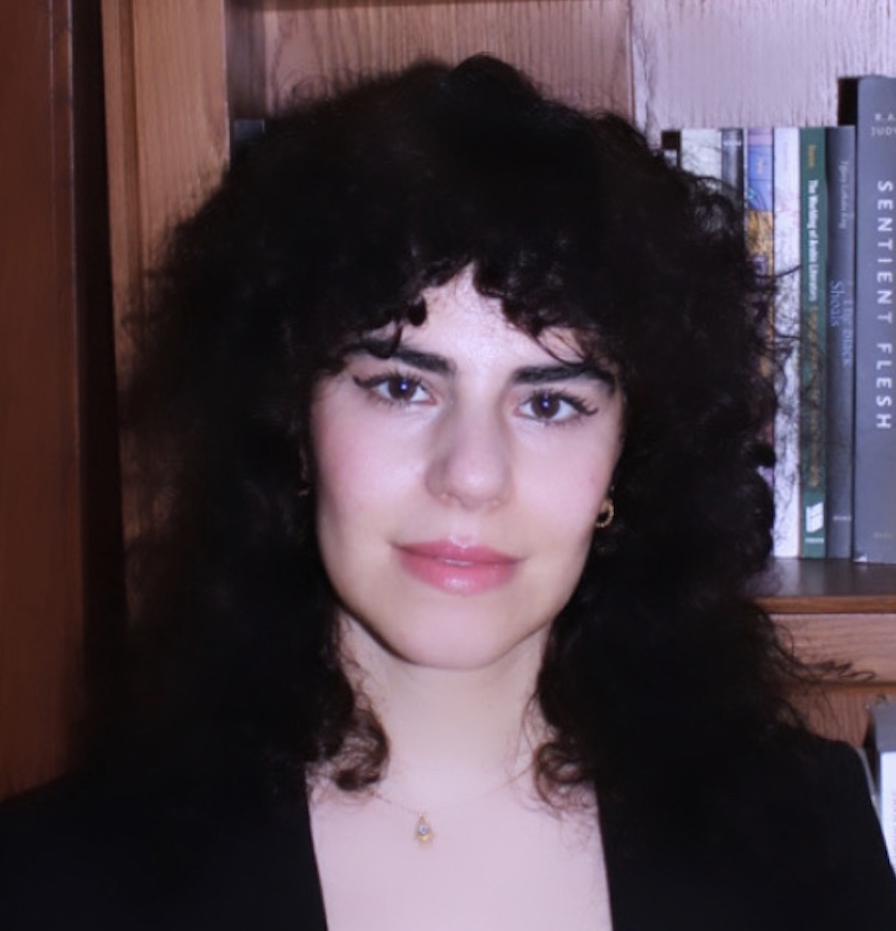
Hanan Al-Alawi is a Visiting Assistant Professor in Gender and Women’s Studies at UW–Madison. She holds a dual-title PhD in Comparative Literature and Women’s, Gender, and Sexuality Studies from the Pennsylvania State University (2024). Her interdisciplinary research explores questions of bodies and power in modern Arabic, Persian, and diasporic Anglophone literature. She focuses on how the embodied knowledges of historically marginalized communities reimagine discourses of belonging and social justice across the Arabian Peninsula, Persian Gulf, and the broader region of Southwest Asia and North Africa (SWANA). She teaches courses on queer and feminist theory and movements in SWANA and beyond, disability in women’s Arab/ic literature, human rights, and cultural representation of gender and women across the globe.